Hiya! I'm

Vela Benedicto

Electrical Engineering · UC San Diego · vbenedicto@ucsd.edu

Well-versed in electronics and mechanical design, with expanding skills in embedded systems and programming.
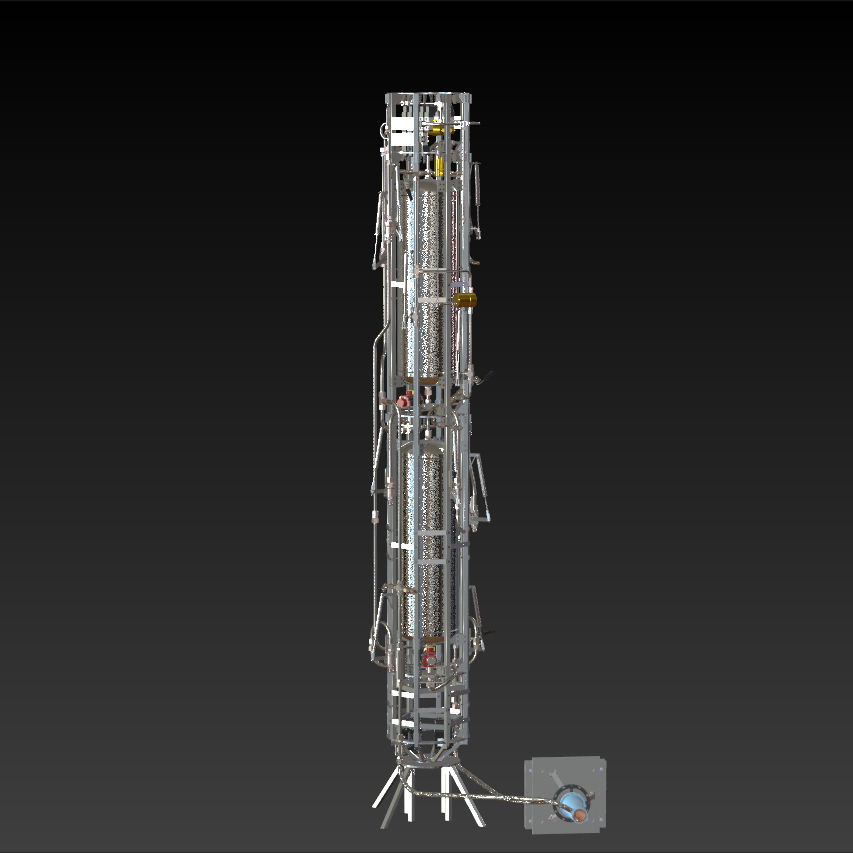
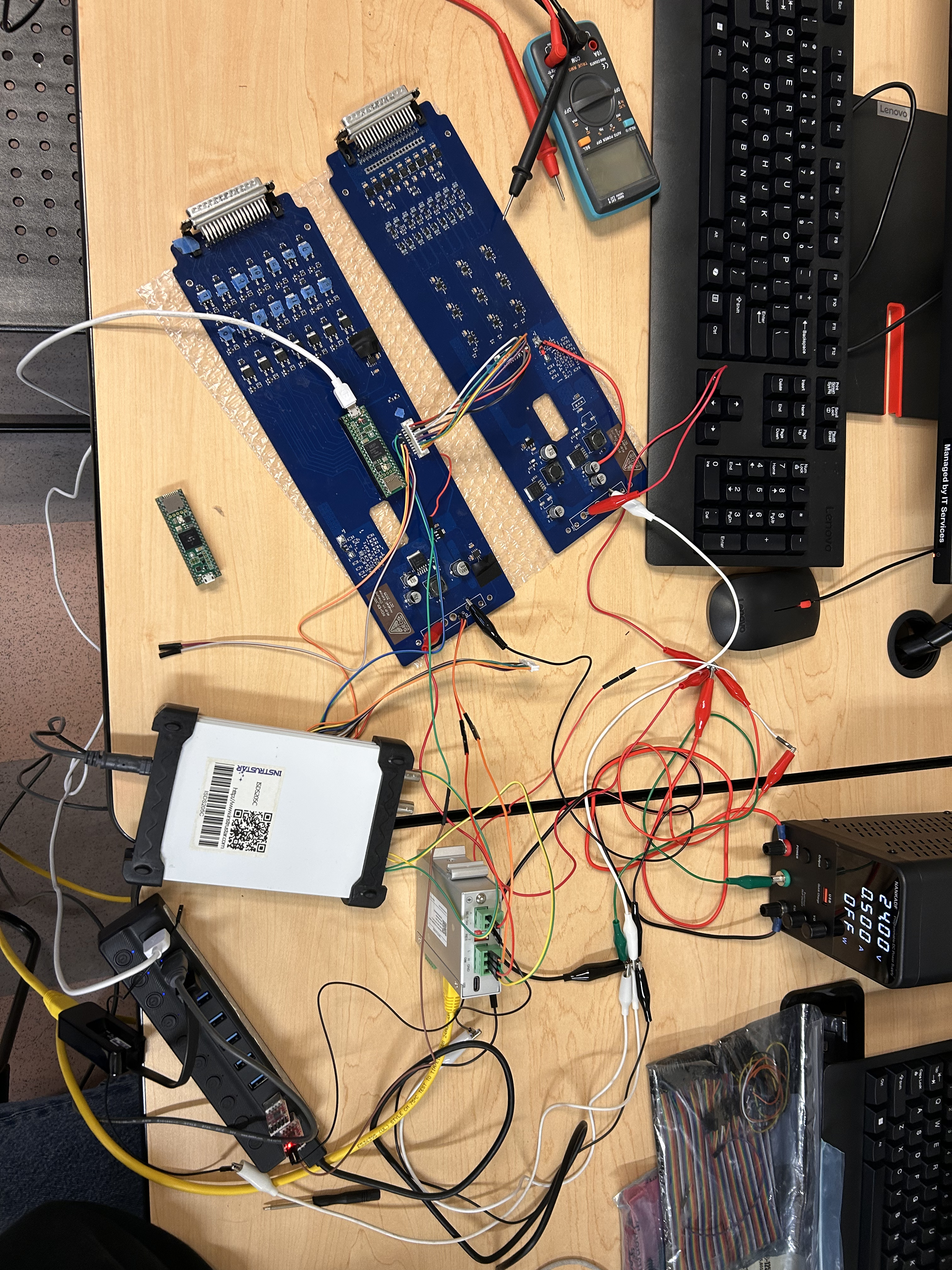
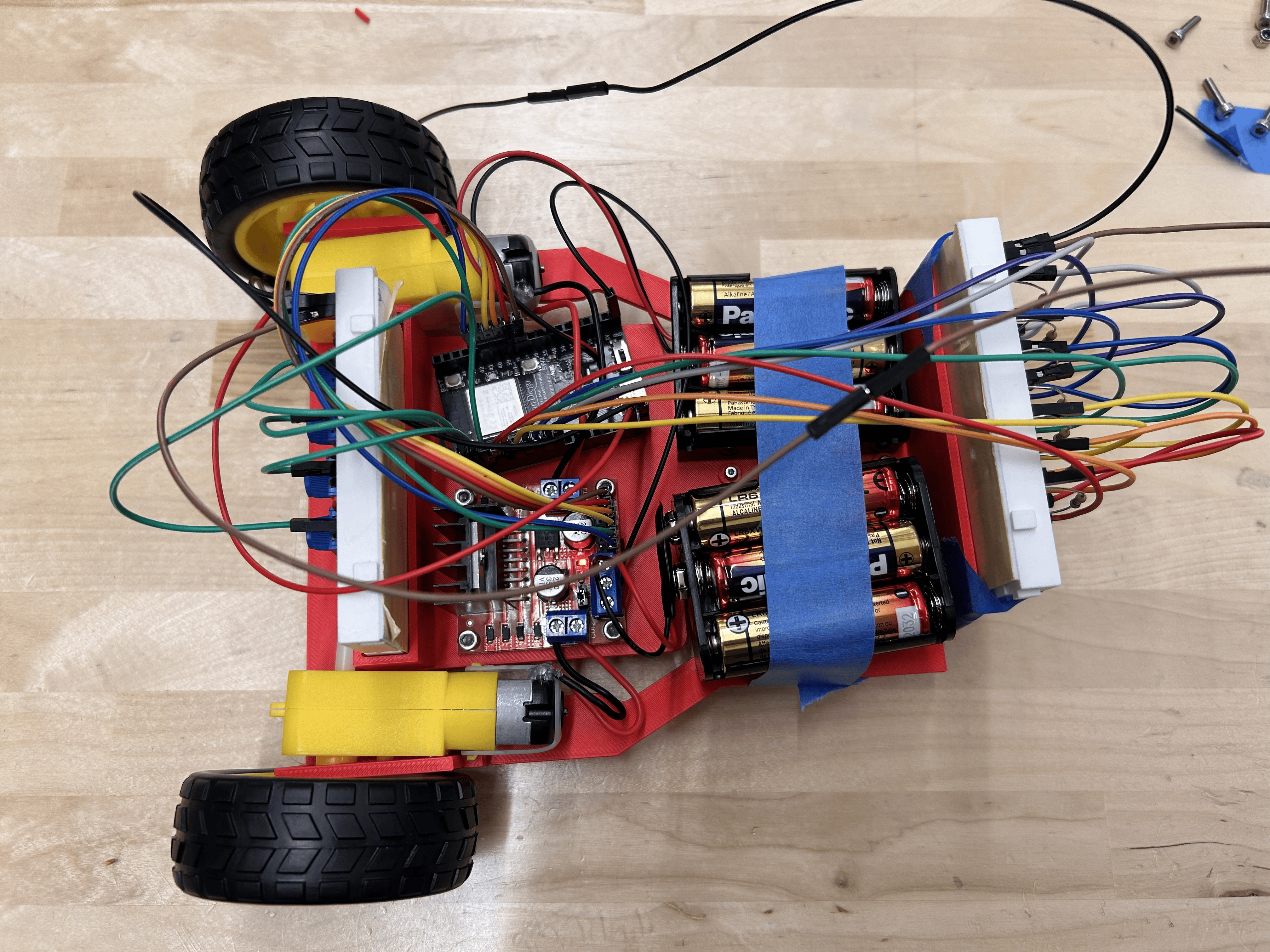
Did a ton of hands-on work with industry tools (click to expand photos below).
I love learning and collaborating with driven people! Please feel free to reach out anytime. :D
Vela Benedicto

Skills

Hardware Altium, Altium Codesign (ECAD+MCAD), EasyEDA, Soldering, KiCAD, PCB Design, LTSpice, PSpice

Coding Arduino, Java, C, Python, HTML/CSS [Learning backend & frontend]

Mechanical Autodesk Inventor, Fusion 360, Onshape, 3D Printing, Inkscape

Tools Metal Laser Cutter, Epilog Laser Cutter (acrylic, plywood, MDF), Google Sheets, Google Colab, Excel

Ongoing

Research Position

Integrated Systems Neuroengineering (ISN) Lab

  • Designing PCBs in Altium integrating data acquisition from 5+ sensors (e.g. EEG, more TBA) for an in-ear biosensor
  • Using Autodesk Inventor to create mechanical model for the PCB housing and electrode placement
Media to be released after publication
Research Position

Advanced Robotics and Controls (ARC) Lab

  • Project: Portable Haptic Assisted Bimanual System V2 (PHABS) --> aiming for ICRA paper submission in Sept 2026
  • Integrated 9 different sensors (BNO055 IMU, BMP388, TOF, AS5048B magnetic encoder) and embedded firmware on a Teensy 4.1 in C for real-time data acquisition (position, calibration, IIR low-pass filtering) alongside closed-loop PWM motor control for force feedback rendering.
  • Designed and ran hardware validation for embedded testing, including static-noise characterization of potentiometer and encoder signals, open-loop BLDC motor control and magnetic encoder verification via SimpleFOC/I2C, and multi-channel IMU + barometer sensor fusion (complementary filtering with zero-velocity updates) across separate I2C buses.
Media to be released after publication
Engineering Org

Triton Robotics

  • Overseeing wiring/component management among our 3 robots (autonomous, driver-controlled) in the annual RoboMaster North America competition across a team of 5 members and created standardized electronics practices.
  • Designed slip ring PCB to distribute 6 24V power wires across 3 lines and 12 signal wires (CAN, UART) in EasyEDA, using Phoenix, JST-XH, JST-GH, and aviator connectors.
  • Designing a 4 layer power (5V, 12V, 24V) signal distribution (CAN, UART) PCB for a competition robotics platform, integrating slip ring, motor controller, and buck conversion into a single board to reduce wiring complexity and failure points in EasyEDA.
  • Evaluating magnetic rotary encoder ICs (AS5047P, AS5048A/B, AS5600, MT6835) across SPI/I²C interfaces, resolution (12–21 bit), and sampling rate to replace a failure-prone commercial encoder with a lower-cost, more reliable custom design with Altium and Autodesk Inventor.
Paid Job

Qualcomm Institute Makerspace

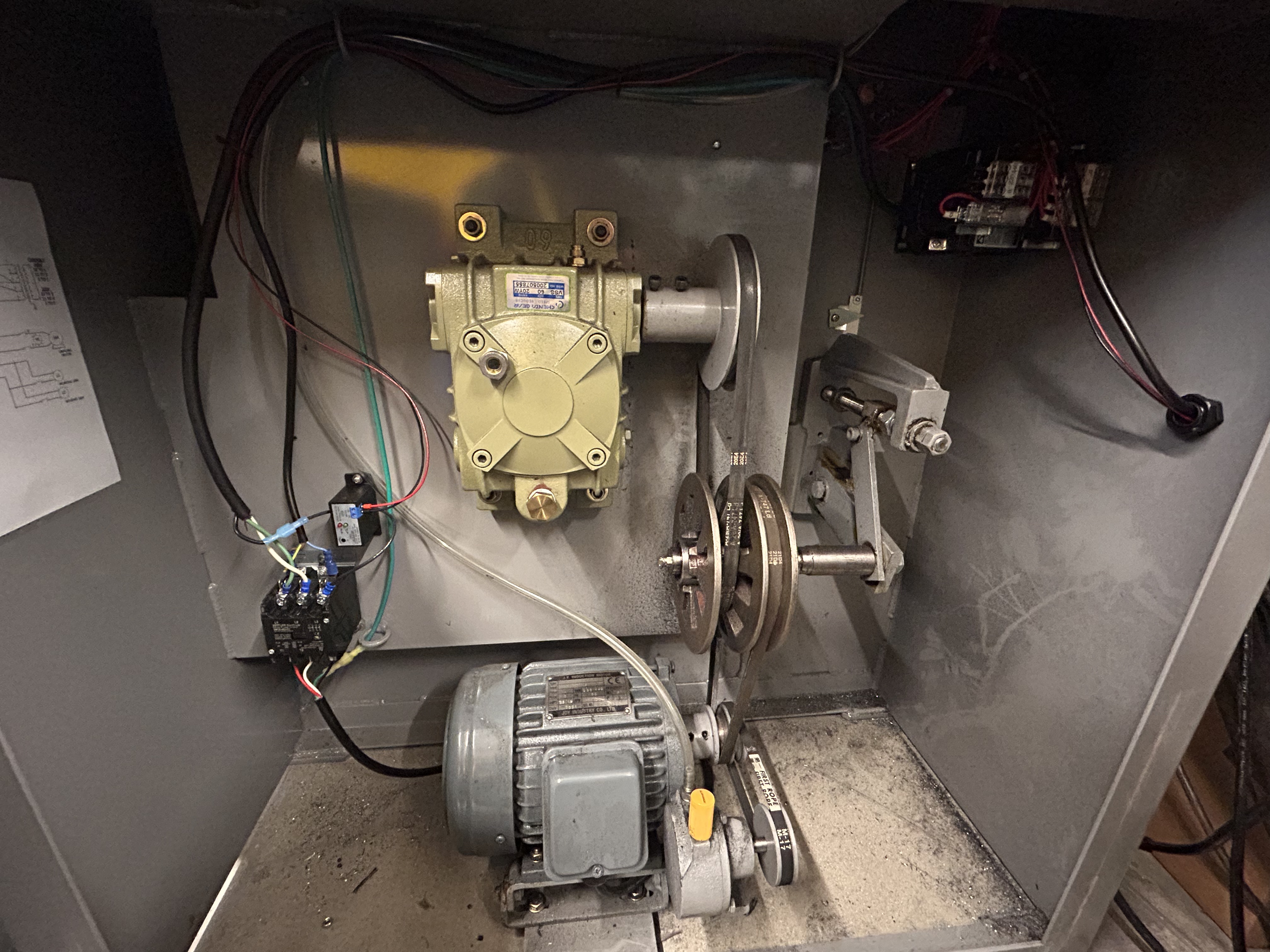
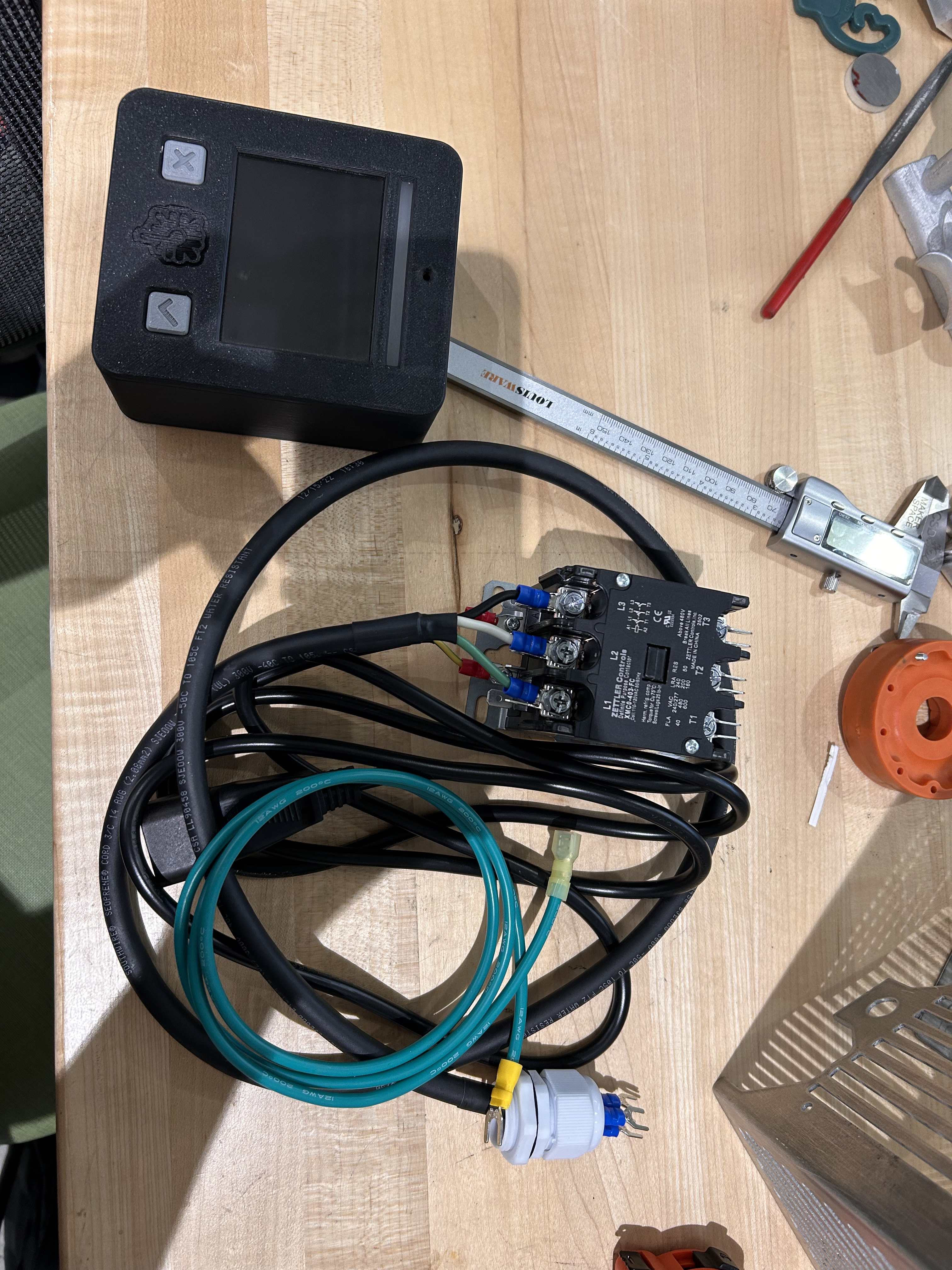
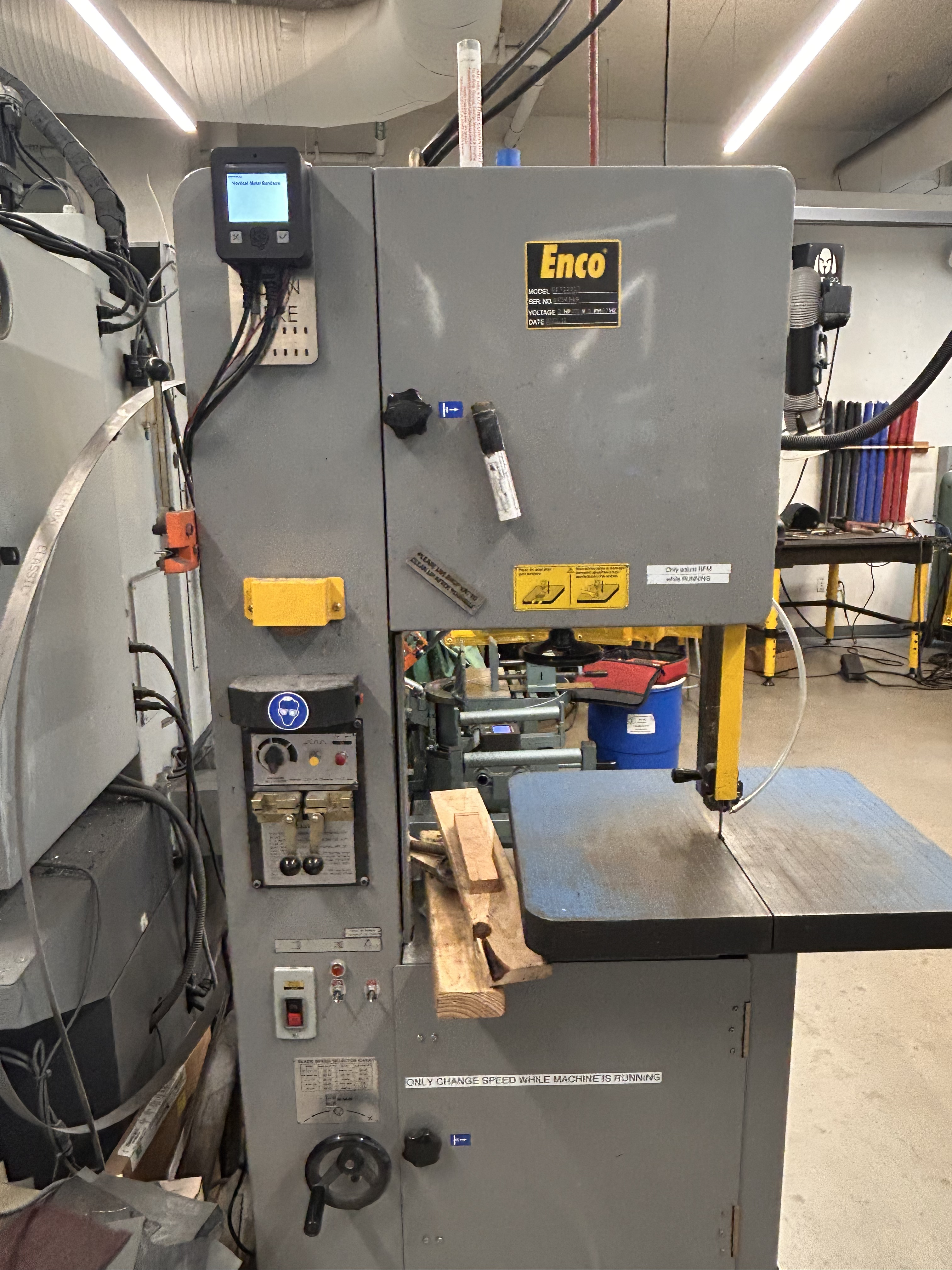
  • Retrofitted a 3-phase contactor, current sensor, and Fabman access controller into a vertical bandsaw for automated monitoring and control
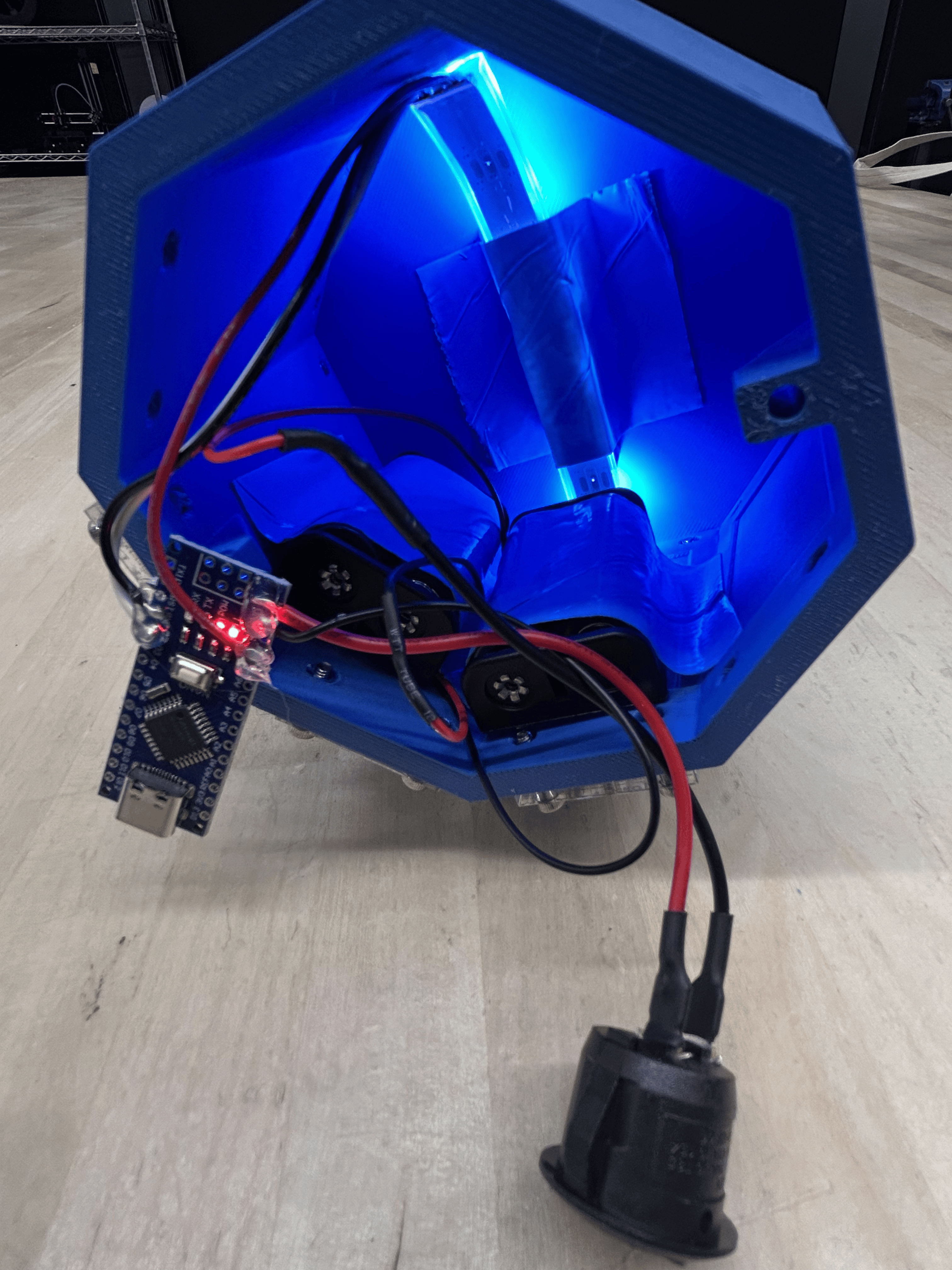
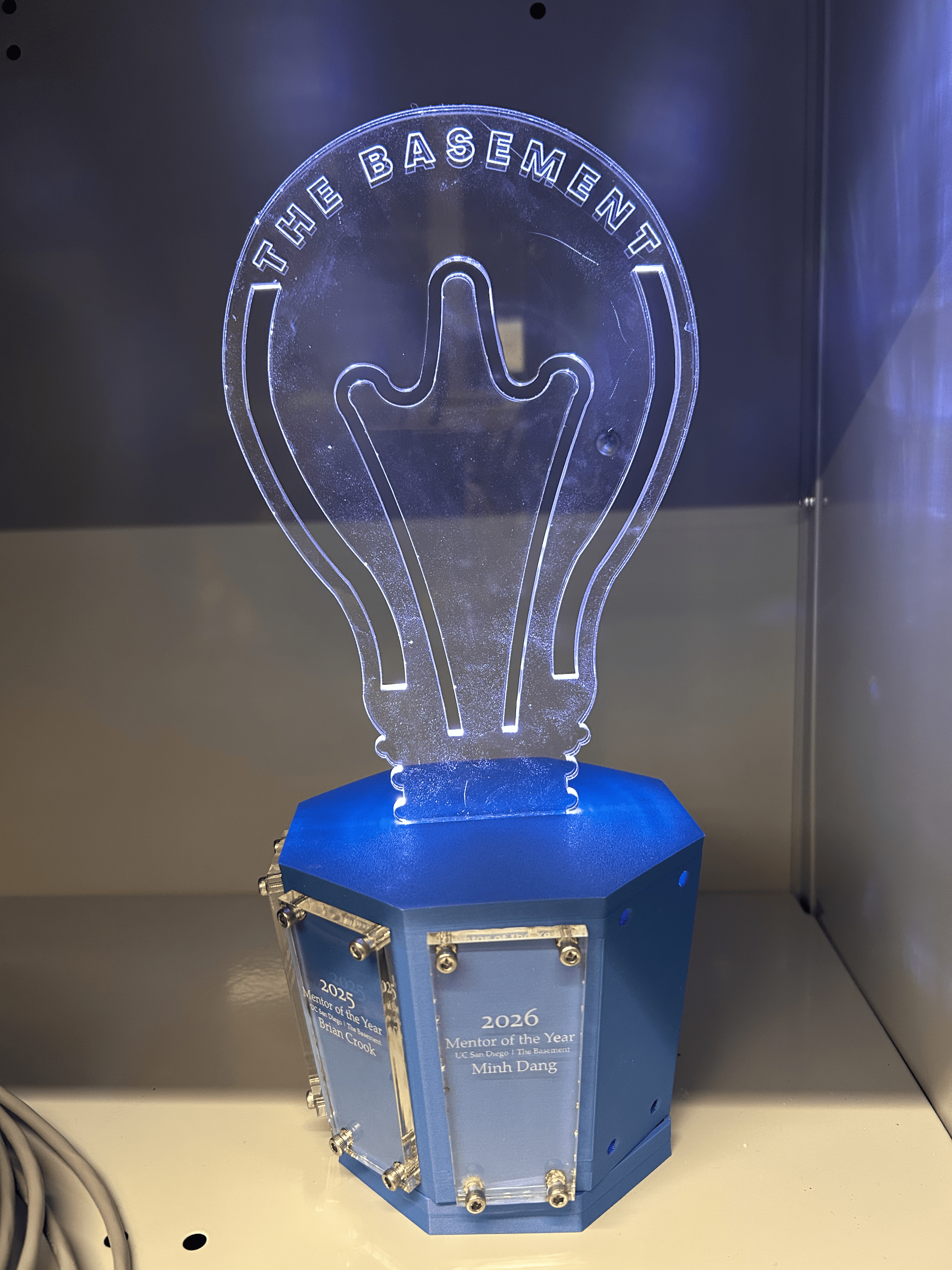
  • Designed, soldered, and built a custom illuminated trophy in Inkscape for UCSD's Basement Demo Day — a student maker showcase for 200+ attendees — fabricated with laser-cut acrylic, an Arduino Nano, LEDs, and a physical switch.
  • Advise and mentor students in using fabrication tools and best design practices (Epilog laser cutters, 3D printers), electronics equipment (specialty), and workshop resources
  • Maintain, troubleshoot, and update Makerspace equipment (electronics tools - reflow oven, digital magnifiers, solder stations, etc.), 3D printers (Bambu A1 Mini/P1S/H2D, Prusa MK4S), Epilog laser cutters, metal vertical band saw, heavy power machinery, etc.
  • Currently wiring relay switch into metal laser cutter & air ventilation system

Projects

2nd Place — Bow Capital × DS3 × SiC Hackathon

Whisper

May 2026

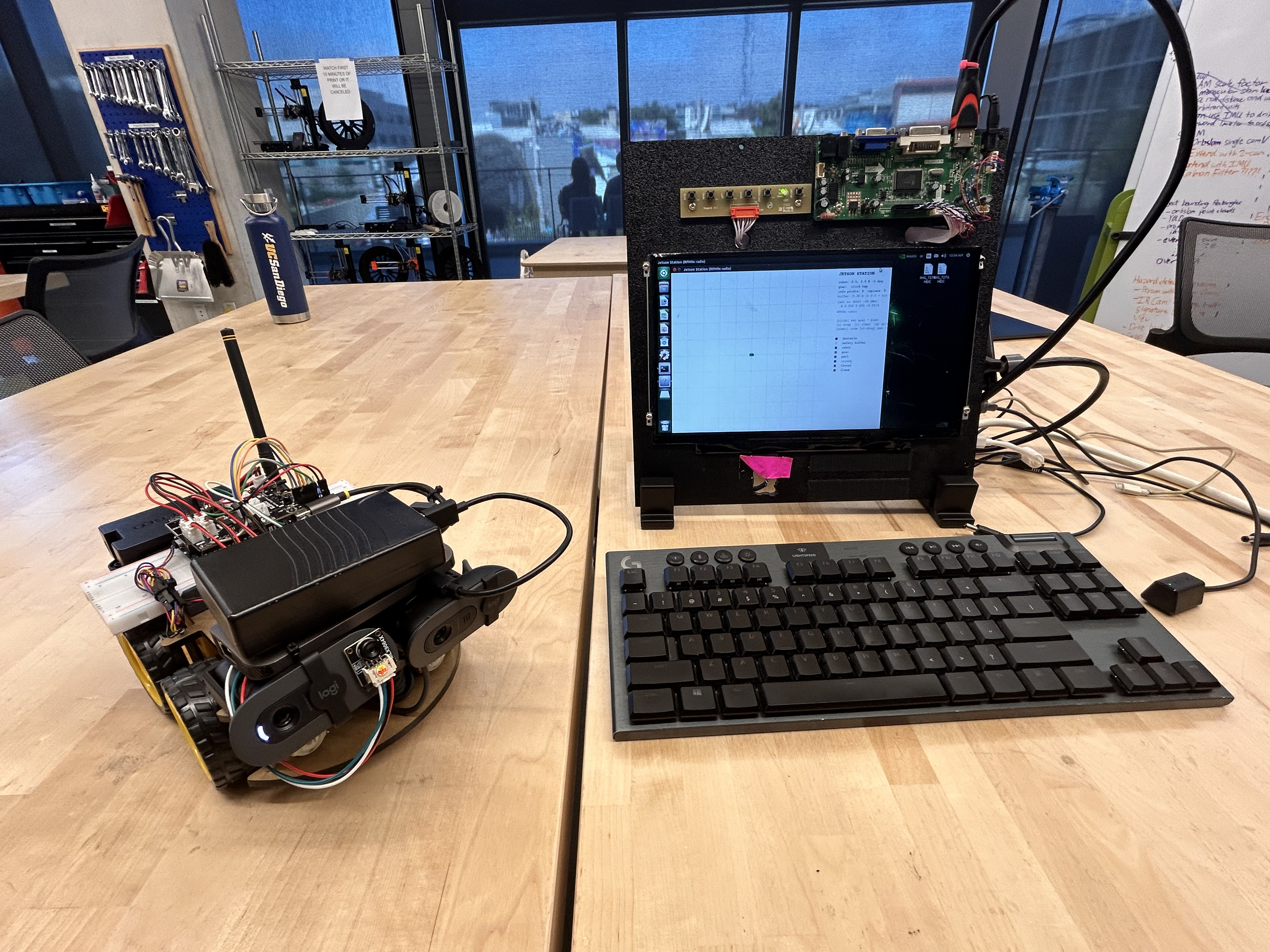
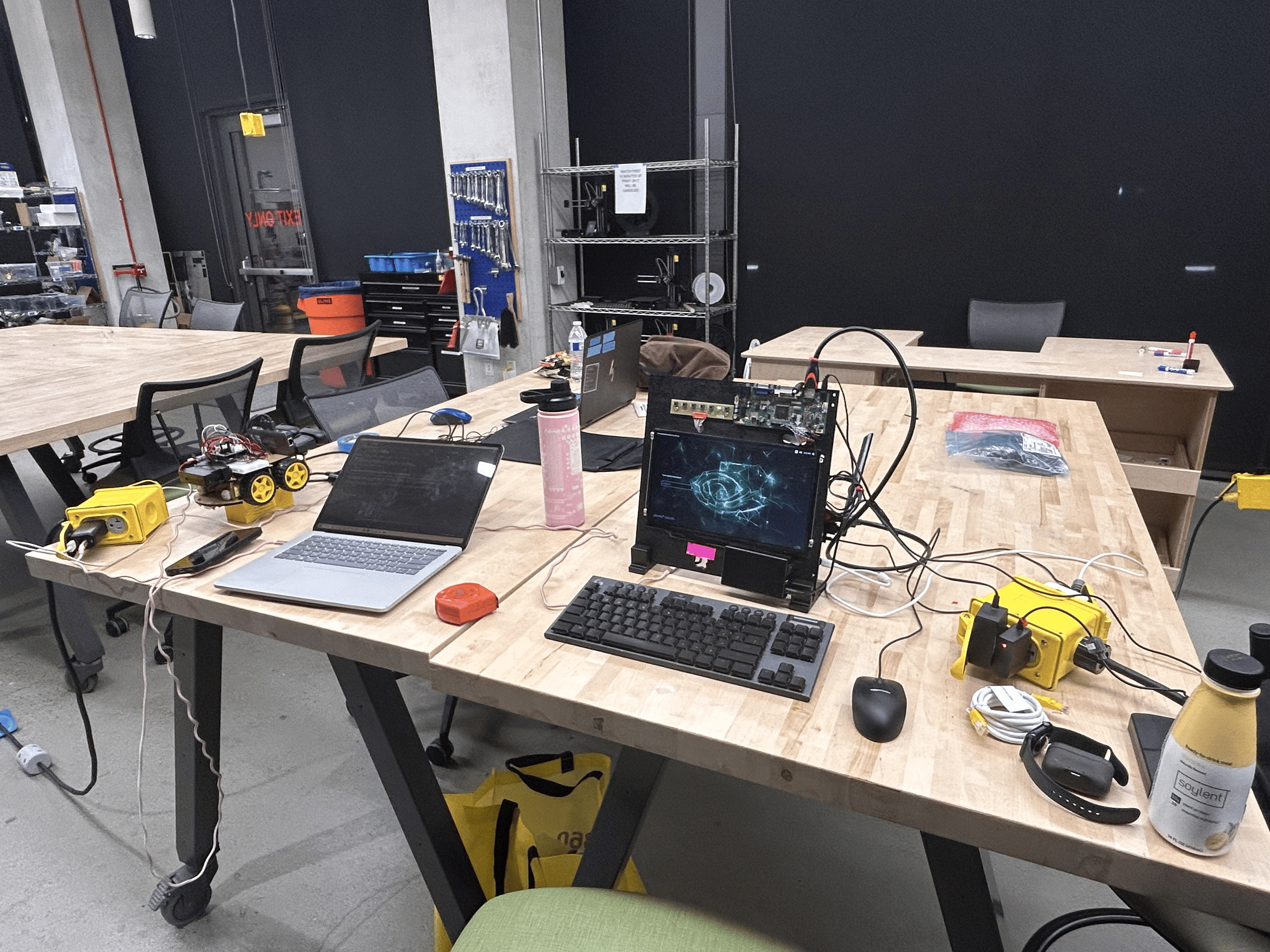
A software ecosystem that communicates critical information through LoRa — a completely offline, low-power radio protocol designed to transmit small packets of data up to 15 km. Scout (Arduino Uno Q): uses a camera to localize itself, runs local CV to classify objects, and transmits compressed packets to the base station. Base station (Jetson Orin Nano): fuses incoming packets into a live spatial map, calculates pathing, and sends commands back to the robot.

1st Place — MLH Hard Hacks @ UCSD · Advanced Track: Security

The Vault

January 2025 · UCSD Hard Hacks

4-layer encrypted safe focused on hardware implementation and software integration. Built with a 4×4 membrane keypad, fingerprint scanner, camera, Odin1 LiDAR (facial recognition), Arduino Mega 2560, 24V–12V buck converter, and Intel NUC. All 3D components modeled in Autodesk Inventor; assembled in-house.

1st Place — UCSD IEEE Fall Quarterly Projects

Armillary Sphere

September – November 2025

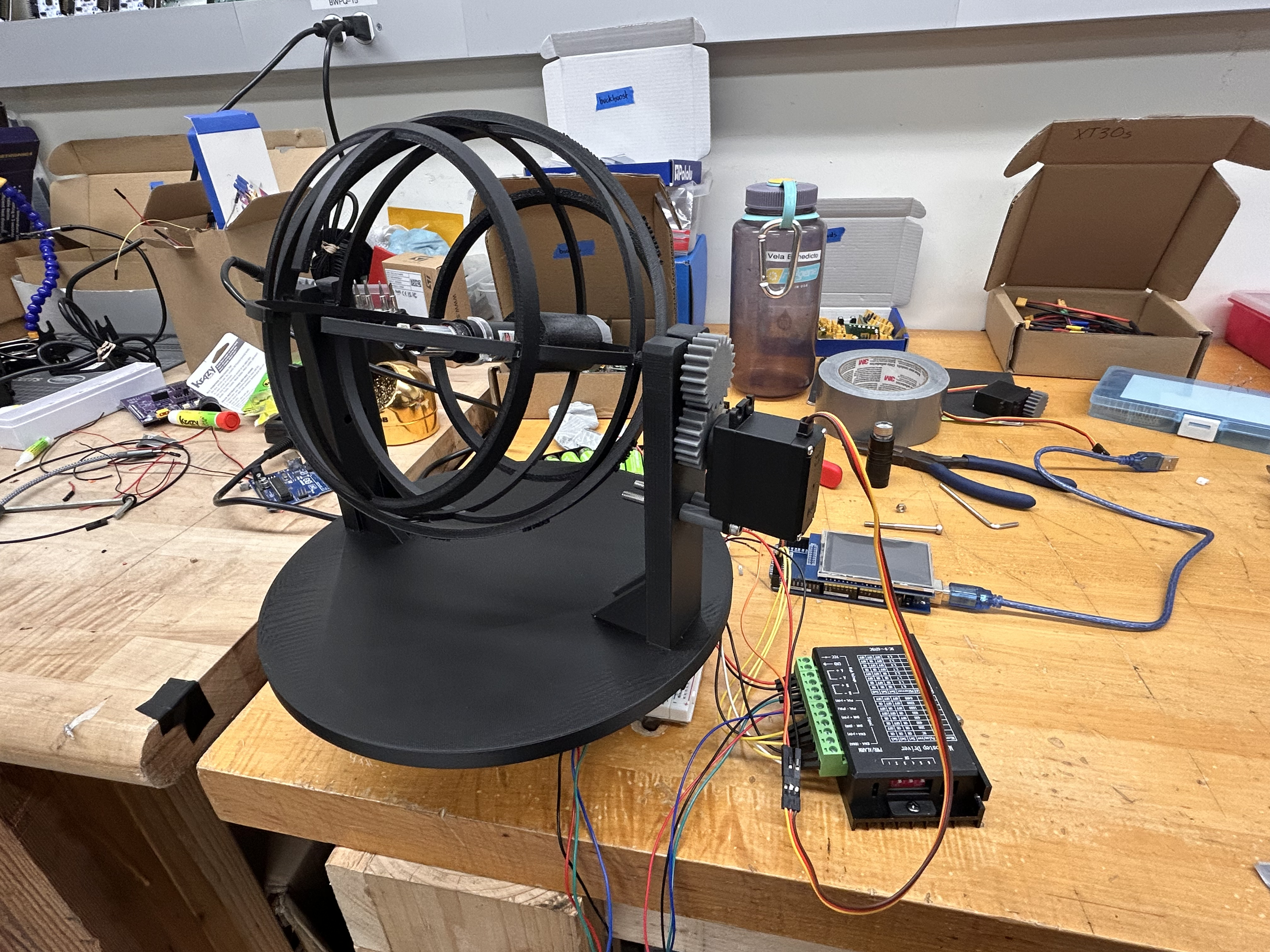
Select a celestial object on an LCD display and a laser automatically rotates to point in its direction. Used Autodesk Inventor to integrate hardware and software; all parts 3D printed and assembled in-house.

Engineering Org

Students for the Exploration and Development of Space (SEDS)

Avionics Member | Oct '25 - June '26
  • Responsible for the design, validation, and assembly of PCBs and hardware for our rocket, Riptide, which aims to be the world’s first soft landing, reusable vehicle at the collegiate level.
  • Designed a PCB integrating avionics and sensor systems (3 IMUs, a Jetson Orin Nano, and an RTK GPS module) with dual buck converters (12V, 5V) for power regulation, using Altium's MCAD Co-Design workflow with Autodesk Inventor to synchronize PCB layout with a custom-shaped enclosure modeled in Autodesk Inventor.
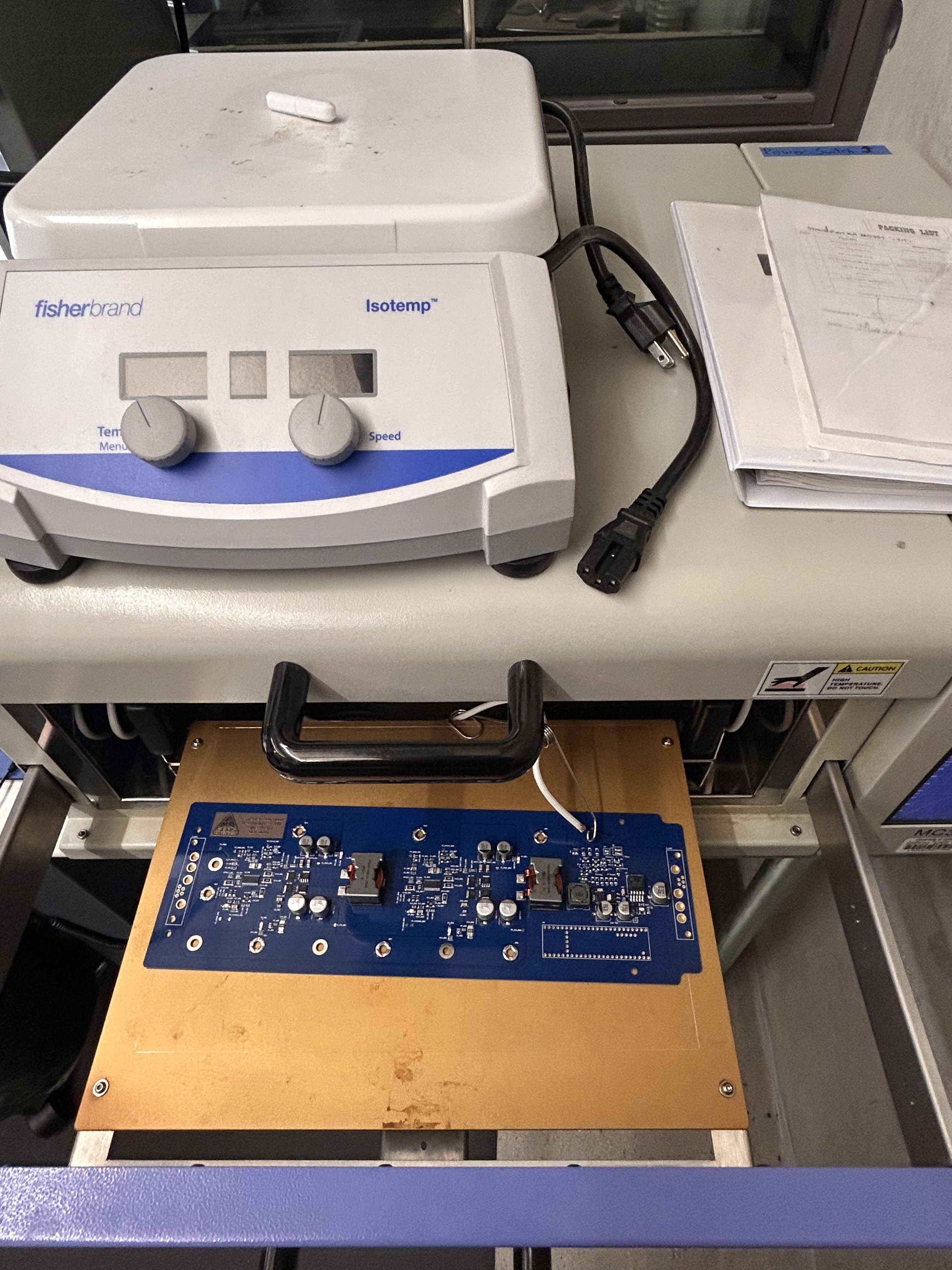
  • Assembled 3 PCBs with 100+ unique components via SMD soldering & reflow oven for Avionics Bay.
2x Worlds Qualifying

FIRST Robotics Comp: 589 Falkon Robotics

  • Produced full CAD in Autodesk Inventor and directed subsystem integration and season progress
  • Modeled custom components: sensor casings, brackets, and electronics belly pan using Bambu, Prusa, and CNC
  • Implemented and maintained robot electronics architecture (power distribution, sensors, CAN, wiring reliability)
1st Place Nationals — SkillsUSA · Published in CSUN

C.A.S.E. Air Quality Monitor

September 2022 – June 2023

1st at SkillsUSA Nationals (top 1 of 6,000+ state champions), $1,750 grant, and published in CSUN's Journal of Student Research Abstracts. Low-cost touchscreen air quality monitor using MQ2, DHT11, and PMS1003 sensors with custom 3D prints. Achieved 40% lower cost than commercial models while meeting EPA AQI standards.

UCSD Project Class, Grade: A

ECE 5 Robot

2025 · UCSD ECE 5

Line-following robot built for UCSD's ECE 5 course. Designed and assembled hardware systems including motors, sensors, and control circuitry; programmed PID logic for navigation and task completion.

View project site →

Research

Research Presentation

Caltech SEAL (Sustainable Energy Activity Lab)

  • Directed a 15-member student research team investigating optimal MFC electrode materials through weekly experiments, peer discussion, and data analysis under two Ph.D graduates
  • Determined platinum-coated carbon produced peak power (273 μW) compared to copper and carbon
  • Delivered annual research presentations at the Beckman Institute to Caltech faculty, graduates, and students
Research Presentation

UC Santa Cruz COSMOS

  • Applied principles of quantum physics/chemistry to analyze semiconductor behavior and presented to 300+ people
  • Research: Analyzing Depletion Layer Thickness in Concentrated Photovoltaics — used Oghma Nano simulations to model how varied layer thickness influences recombination time and efficiency in multijunction solar cells
Research Presentation

USC SHINE Summer Research Program

  • Collaborated with two graduate students under Dr. Bogdan in the Cyber-Physical Systems Lab
  • Research: Prediction of SARS-CoV-2 Mutations Through Deep Learning Algorithms and Z Descriptor Properties
Paid Job

Mathnasium

  • Provided personalized (1-on-1 or groups of 4) math explanations and learning strategies tailored to students' grade level and abilities
  • Explained grades K–12 math concepts to develop student understanding
  • Strengthened students' critical thinking and problem-solving skills through targeted exercises

Awards & Recognition